Patient asks
"Will the scan hurt?"
No. The only sensation is a brief pinch from the tracer injection, similar to a routine blood draw. The scan itself just requires lying still and breathing normally.
A doctor-reviewed, plain-language guide to PET-CT imaging for patients in Chandigarh, Mohali and Panchkula - what each scan actually detects, what it costs, how to prepare, and how to find an accredited centre near you.
What this page is: an independent, patient-facing guide to PET-CT and nuclear medicine imaging in the Tricity, written to help you understand your options before you make a booking. It is not a hospital website. Clinical content is checked against publicly documented protocols, and where we point you to book a scan, we name our imaging partner directly - MRI Chandigarh, an NABH-accredited diagnostic centre at Sector 35B, Chandigarh, reachable on 8699572364. Always confirm any clinical decision with your treating oncologist.
No jargon - just the answers patients and caregivers usually search for first.
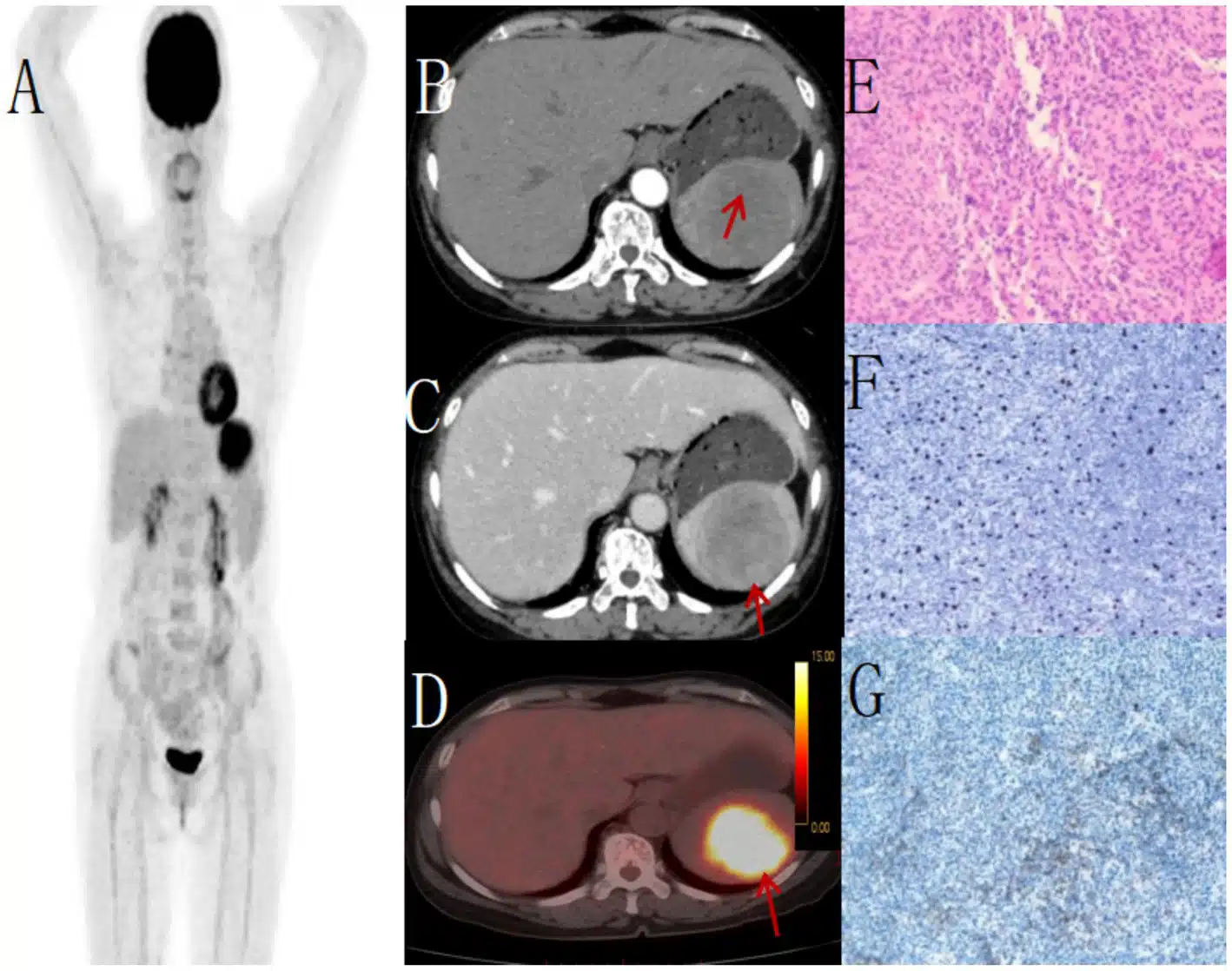
CT and MRI are structural - they show size, shape and location of a mass. A PET-CT adds a functional layer: it tracks how aggressively tissue is using a radioactive sugar tracer, which is often the earliest sign of cancer activity, sometimes before a tumour looks abnormal on structure alone. That's why PET-CT is used heavily for staging, monitoring treatment response, and checking for recurrence.
For the overwhelming majority of patients, yes. The tracer dose is small, clears the body within hours, and centres that follow AERB-approved radiopharmaceutical protocols and NABL lab standards keep exposure to the ALARA principle (as low as reasonably achievable). It's generally avoided in pregnancy, and breastfeeding patients are usually asked to pause and pump for a short window - your coordinator will walk you through this on the call.
A Whole Body FDG PET-CT usually starts near ₹11,999–₹12,999 at accredited private centres in the Tricity - noticeably below what large hospital chains quote. Specialised tracers cost more: PSMA PET typically runs higher due to the Ga-68 tracer itself, and DOTA/DOTANOC scans for neuroendocrine tumours are priced similarly. Always ask whether tracer, scanning and reporting are bundled into one number.
Plan for roughly 2-3 hours: fast for 6 hours beforehand (water is fine), keep blood sugar under 180 mg/dl if you're diabetic, skip heavy exercise for 24 hours, and wear metal-free clothing. After a quick tracer injection you'll rest quietly for about an hour, then the scan itself takes 15-25 minutes lying still. No sedation, no needles beyond the single IV.
Your prescribing doctor usually specifies the tracer based on the suspected cancer type - PSMA for prostate, DOTA/DOTANOC for neuroendocrine tumours, FAPI for fibroblast-rich tumours, FDG for most solid cancers generally. If you're not sure which one your prescription calls for, share the referral note or biopsy report with the centre's coordination team and they can confirm before you travel in.
Fourteen imaging studies you'll commonly see prescribed for cancer, cardiac and neurological workups - grouped by what each one is actually looking for.
The workhorse scan for cancer staging, restaging and recurrence checks - images the entire body in one pass for metastatic spread.
Highly sensitive prostate-cancer imaging - detects recurrence even at low PSA levels that other scans can miss.
Metabolic brain imaging for epilepsy focus localisation, dementia and Alzheimer's evaluation, and pre-surgical mapping.
Receptor-targeted imaging for neuroendocrine tumours (NETs) - pinpoints disease spread and checks suitability for peptide-receptor therapy.
Used for Parkinson's disease evaluation and select neuroendocrine cases where dopamine pathway activity needs mapping.
An alternative prostate-cancer tracer, used in selected recurrence and disease-assessment cases.
A newer-generation tracer that highlights the fibrous tissue surrounding many solid tumours - useful across a wide range of cancer types.
The tracer family behind PSMA and DOTA studies - used broadly across prostate cancer and neuroendocrine tumour imaging.
Dopamine-transporter imaging that helps confirm or rule out Parkinson's disease in ambiguous clinical presentations.
Checks whether heart muscle is alive and worth revascularising - the gold-standard test before some bypass or angioplasty decisions.
Compares blood flow to the heart at rest and under stress to flag blocked or narrowed coronary arteries.
Nuclear scans that measure how well each kidney is filtering and draining - used for obstruction and split-function assessment.
Detects kidney scarring, especially in children after recurrent urinary infections, by mapping functioning kidney tissue.
We also route patients to bone metastasis scans, liver HIDA scans, MIBG studies and other specialised nuclear medicine tests on request.
Our imaging partner sits at Sector 35B, Chandigarh, with free pick-and-drop for patients within a 15km radius - and coordinated referrals for patients coming from PGIMER, GMCH-32 and GMSH-16.
Content on this guide is checked against the protocols followed by our imaging partner's qualified nuclear medicine reporting team, who review every FDG, PSMA, DOTA and FAPI study before it reaches the patient.


Arrival, registration & a quick review of your health history and fasting status.
Tracer injected through a small IV - a brief pinch, nothing more.
Rest quietly in a private uptake room while the tracer distributes through the body.
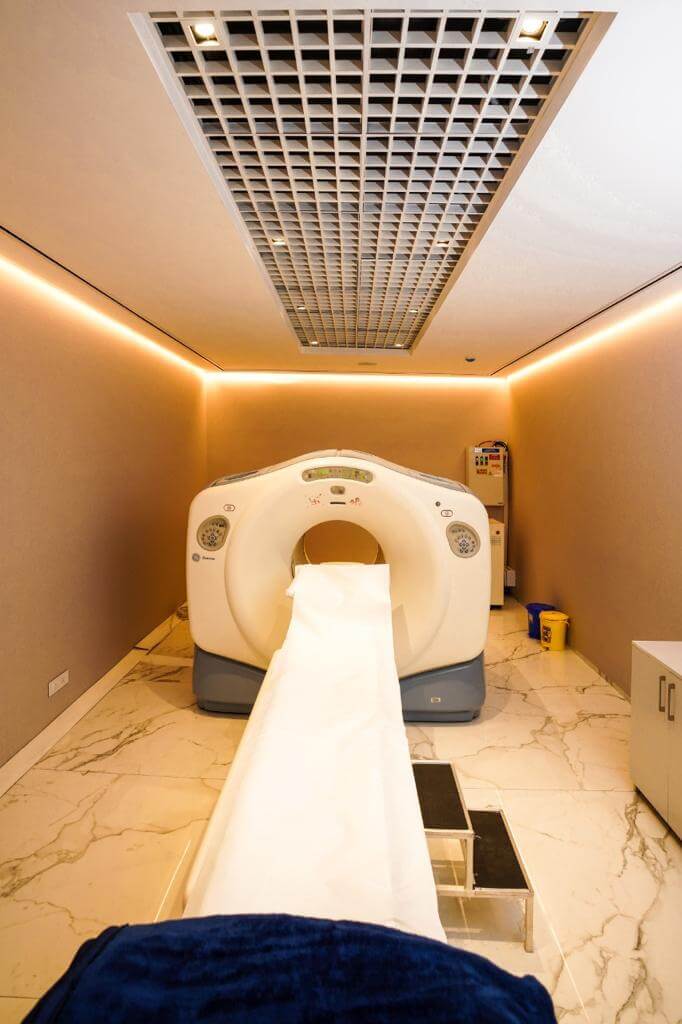
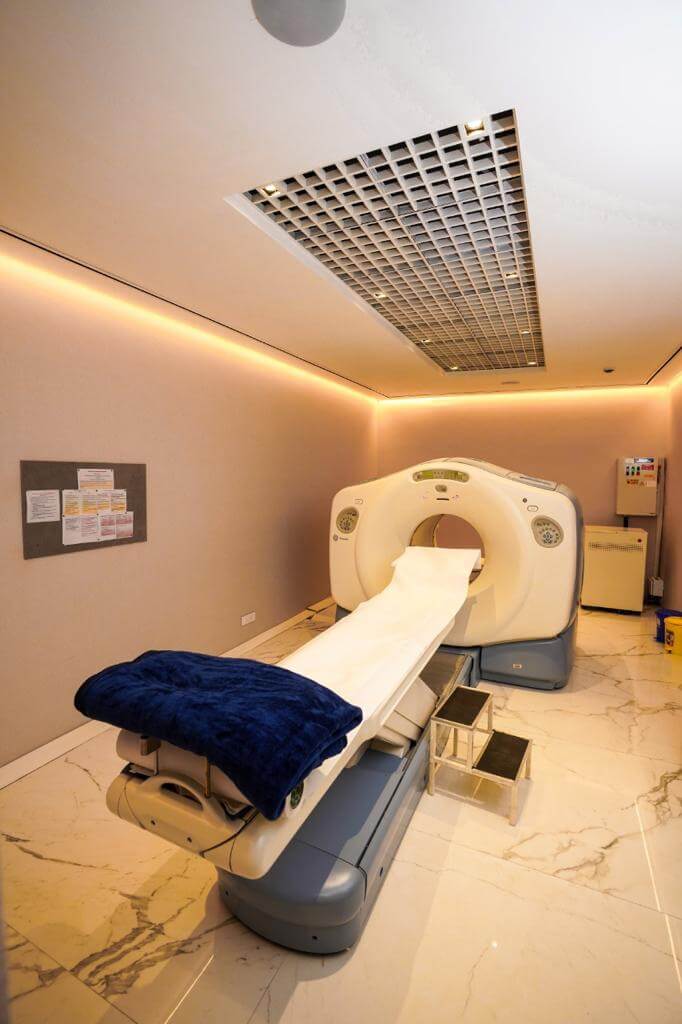
The scan itself - 15 to 25 minutes lying still on a wide-bore table.
Leave the same day; reports are typically shared digitally by evening.
Indicative pricing only - always confirm the final quote by tracer type and clinical protocol.
| Scan | Typical use | Indicative starting price |
|---|---|---|
| Whole Body FDG PET-CT | General cancer staging & recurrence | ₹11,999 onward |
| PSMA PET-CT (Ga-68) | Prostate cancer staging | ₹18,500 onward |
| DOTA / DOTANOC PET-CT | Neuroendocrine tumours | ₹21,000 onward |
| Cardiac Viability PET-CT | Heart muscle viability | On request |
| Brain PET-CT | Epilepsy, dementia workup | On request |
"Larger hospitals quoted nearly double for my father's oncology PET scan. The centre we found was calm, clean, and upfront about pricing from the first call - a relief when you're already stressed about a cancer diagnosis."
"After sitting through hours-long queues elsewhere, we booked a slot in advance and were in and out in under 20 minutes. That mattered a lot for my elderly father, who couldn't handle a crowded waiting room."
"As a referring physician I'm particular about image quality. The PSMA study I sent a patient for came back with genuinely detailed, clinically useful findings - one of the better nuclear medicine reports I've seen locally."
"The government hospital wait was over two months. Here we had an appointment the next morning, with a pick-up arranged from Mohali - genuinely time-saving when every week matters."
"My mother is claustrophobic and dreaded the scanner after a bad experience elsewhere. The wide-bore machine here finished before she even had time to get anxious, and the staff were patient with her the entire way."
"I compared machines across a few centres before deciding. The newer digital scanner here meant lower radiation for my son, and the doctor personally walked us through the report - something bigger hospitals never offered."
No. The only sensation is a brief pinch from the tracer injection, similar to a routine blood draw. The scan itself just requires lying still and breathing normally.
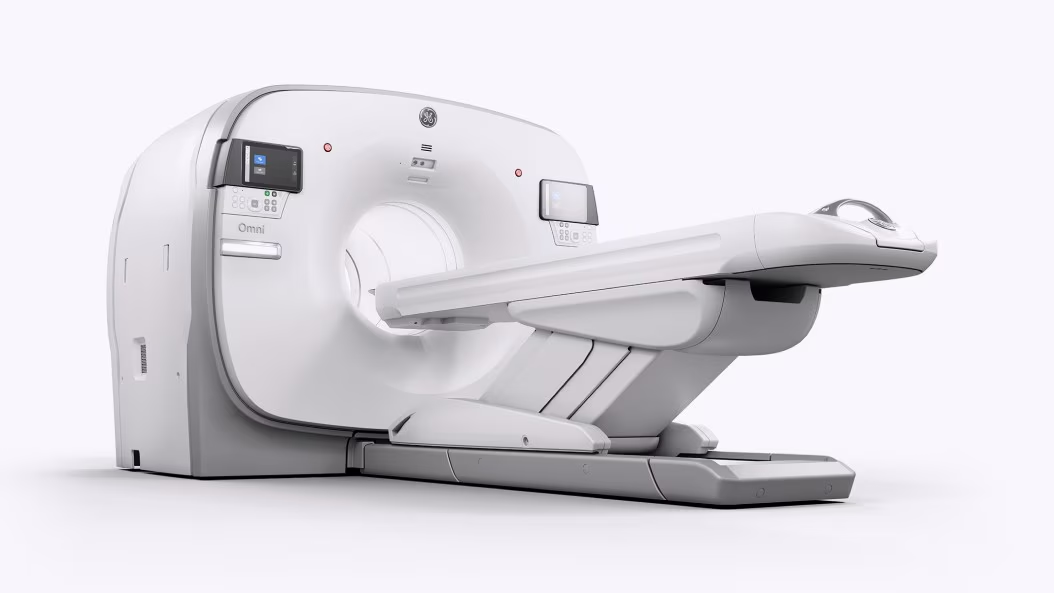
Most modern PET-CT scanners use a short, wide-bore tunnel rather than an enclosed tube, and the scan itself is far quicker than an MRI - usually 15-25 minutes.
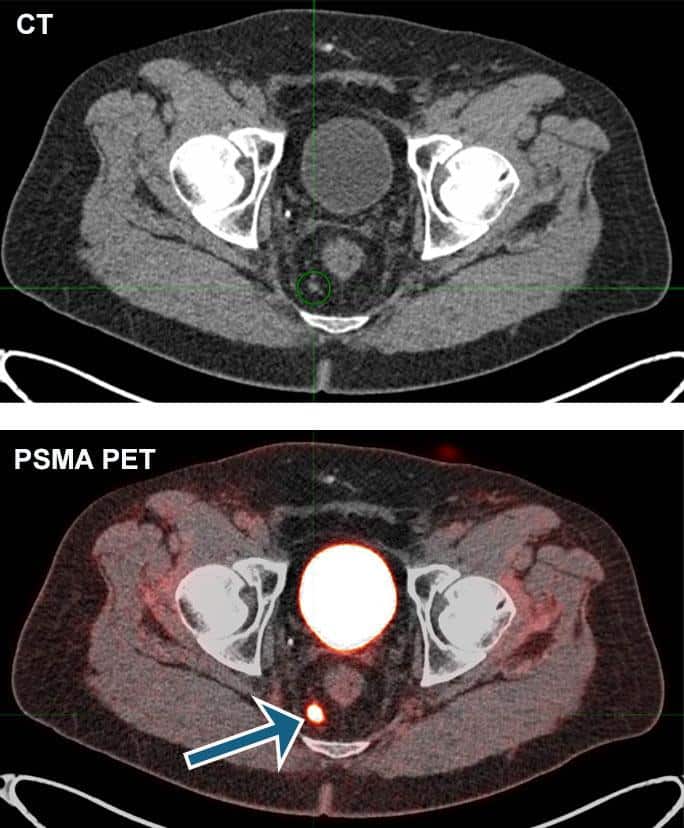
This is one of the most common reasons doctors order a PSMA PET-CT: it can pick up recurrent prostate cancer at PSA levels where CT or bone scans often come back inconclusive.
Look for NABL-accredited laboratory standards, NABH-accredited facility status, AERB-compliant radiation safety protocols, and reports personally signed by a qualified nuclear medicine specialist - not just a technician printout.
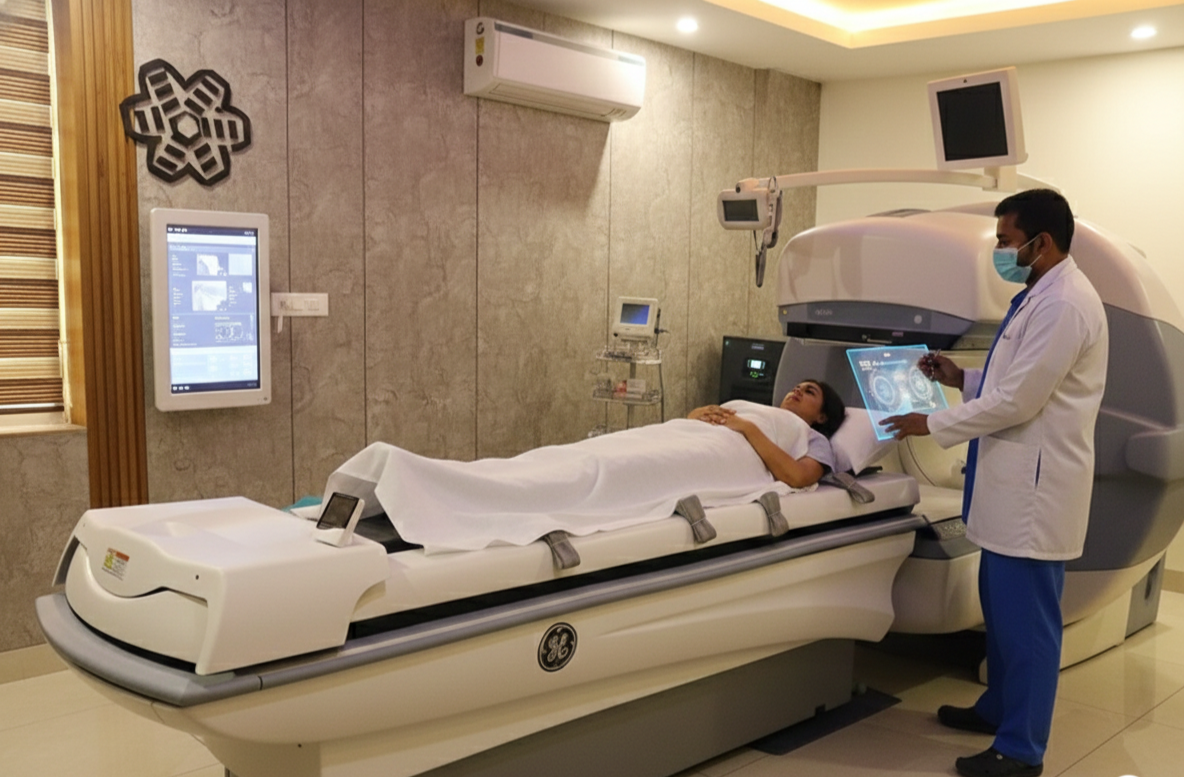
Pricing depends on the tracer used, machine slice-count, and whether pick-and-drop or expedited reporting is bundled in. Always ask for one all-inclusive figure up front, not a per-item breakdown that grows later.
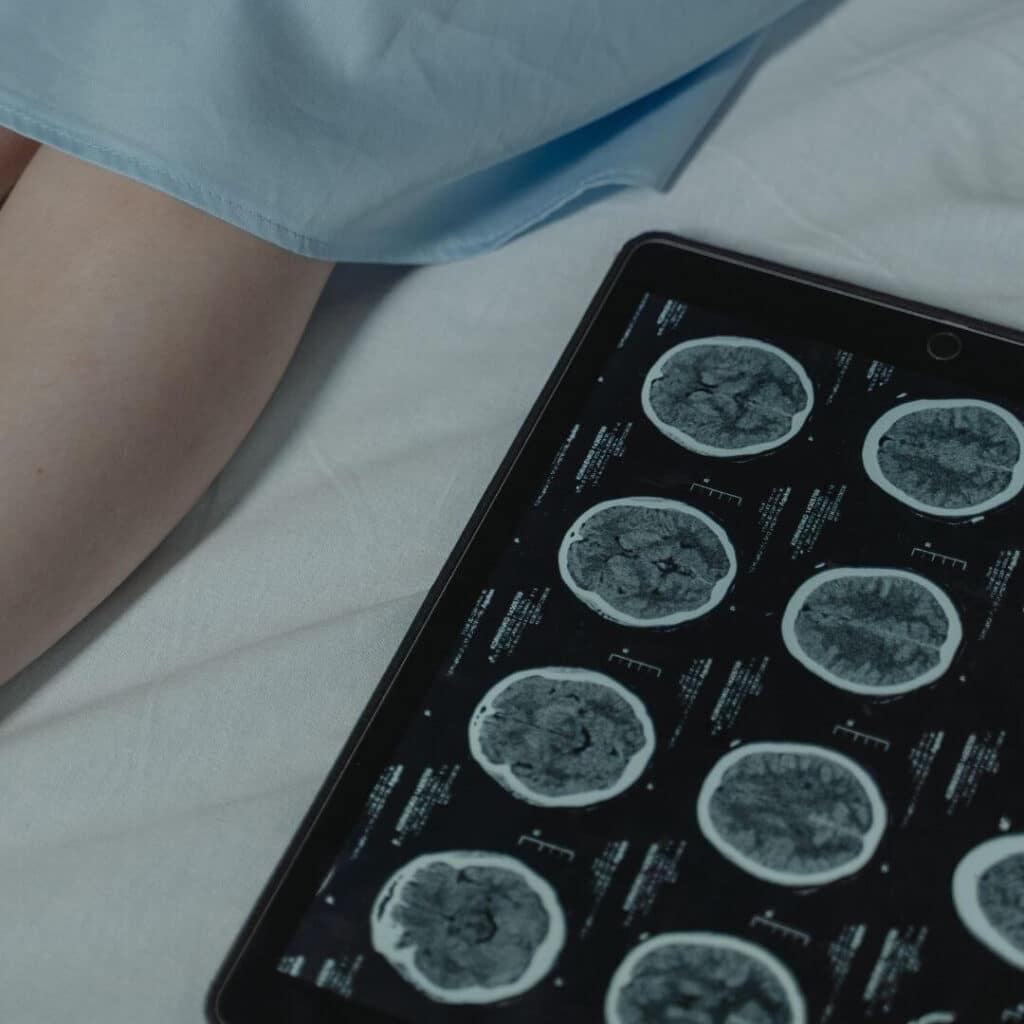
Yes - a Cardiac Viability PET-CT checks whether heart muscle is still alive before doctors decide on bypass surgery or angioplasty, and Stress Thallium testing evaluates blood flow under exertion.
Share it over WhatsApp and get a same-day slot, pricing clarity, and pick-up coordination across the Tricity.